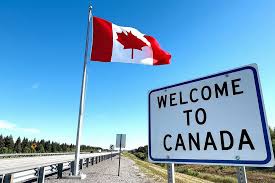
Moving to Canada is an exciting milestone, but the first year can also be one of the most challenging periods in a newcomer’s journey.
Many immigrants arrive with strong qualifications, work experience, and high expectations. However, adjusting to a new country often involves a steep learning curve. Small mistakes made during the first year can lead to financial stress, delayed career progress, or missed immigration opportunities.
The good news is that most of these mistakes are avoidable with proper planning and awareness.
Here are some of the most common mistakes newcomers make during their first year in Canada—and how to avoid them.
1. Waiting Too Long to Improve Language Skills
Many newcomers underestimate how important strong English or French skills are for long-term success.
Even highly educated professionals may struggle to secure employment in their field if communication skills do not meet employer expectations.
Language ability affects:
- Job opportunities
- Salary potential
- Professional licensing
- Networking
- Career advancement
One of the best investments newcomers can make during their first year is continuing to improve their language skills, even if they already meet immigration requirements.
2. Accepting Any Job Without a Long-Term Plan
Finding employment quickly is often necessary, especially when bills start arriving.
However, some newcomers become trapped in survival jobs that offer little opportunity for career growth or immigration advancement.
Before accepting a position, it can be helpful to consider:
- Whether the occupation supports future immigration goals
- Opportunities for promotion
- Industry demand
- Transferable skills
A temporary job may be necessary, but maintaining a long-term career strategy is equally important.
3. Ignoring Professional Licensing Requirements
Many internationally trained professionals arrive expecting to continue their careers immediately.
In reality, occupations such as:
- Nursing
- Engineering
- Accounting
- Teaching
- Skilled trades
often require Canadian licensing or certification.
Some newcomers lose valuable time because they delay researching these requirements.
Starting the licensing process early can significantly shorten the transition period.
4. Not Building a Professional Network
In many countries, job searches rely primarily on submitting applications.
In Canada, networking plays a major role in career opportunities.
Many positions are filled through:
- Referrals
- Professional associations
- Industry events
- Personal connections
Newcomers who focus only on online applications may miss valuable opportunities.
Building relationships often becomes just as important as submitting resumes.
5. Poor Financial Planning
The cost of living in Canada often surprises newcomers.
Common expenses include:
- Housing
- Transportation
- Utilities
- Childcare
- Insurance
- Groceries
Many families arrive with enough settlement funds but underestimate how quickly those savings can disappear.
Creating a realistic budget during the first few months can help avoid unnecessary financial stress.
6. Misunderstanding the Canadian Credit System
Credit history is a critical part of financial life in Canada.
Newcomers frequently make mistakes such as:
- Avoiding credit cards entirely
- Missing payments
- Carrying excessive balances
- Applying for multiple credit products at once
Building a strong credit history early can make it easier to:
- Rent housing
- Obtain loans
- Purchase a vehicle
- Qualify for a mortgage
Responsible credit use is one of the most important financial habits newcomers can develop.
7. Failing to Understand Tax Obligations
Many newcomers are unfamiliar with Canada’s tax system.
Common mistakes include:
- Missing tax filing deadlines
- Failing to report worldwide income when required
- Not applying for government benefits
- Overlooking available tax credits
Even newcomers with little or no income should generally file tax returns to maintain eligibility for various government programs and benefits.
8. Isolating Within One Community
Cultural communities can provide valuable support during settlement.
However, relying exclusively on people from the same background may limit opportunities to:
- Improve language skills
- Expand professional networks
- Learn workplace culture
- Build broader social connections
Successful integration often involves balancing community support with broader engagement in Canadian society.
9. Neglecting Mental Health and Family Adjustment
Immigration affects more than employment and finances.
Many newcomers experience:
- Culture shock
- Loneliness
- Stress
- Family conflict
- Loss of professional identity
The emotional challenges of immigration are often underestimated.
Seeking support early—whether through friends, community organizations, or professional services—can make the adjustment process easier.
10. Missing Immigration Deadlines and Opportunities
Temporary residents, international students, and foreign workers sometimes focus entirely on daily life and postpone immigration planning.
This can result in:
- Expired permits
- Missed renewal deadlines
- Lost eligibility for programs
- Reduced immigration options
Immigration pathways change regularly.
Maintaining awareness of program requirements and timelines can help newcomers preserve future opportunities.
11. Choosing Housing Too Quickly
Many newcomers feel pressure to secure permanent housing immediately after arrival.
As a result, they may:
- Commit to expensive leases
- Choose locations far from employment opportunities
- Underestimate transportation costs
Temporary accommodations often provide valuable time to explore neighborhoods and make more informed housing decisions.
12. Comparing Canada Too Closely to Home
One of the most common adjustment challenges is constant comparison.
Every country has strengths and weaknesses.
Newcomers who expect Canada to function exactly like their country of origin may experience frustration more quickly.
Successful adaptation often involves understanding local systems rather than comparing every difference negatively.
What Successful Newcomers Do Differently
While every immigration journey is unique, successful newcomers often share several habits:
- They continue learning.
- They improve language skills consistently.
- They build professional networks.
- They manage finances carefully.
- They stay informed about immigration requirements.
- They remain flexible and patient.
Most importantly, they view settlement as a process rather than an event.