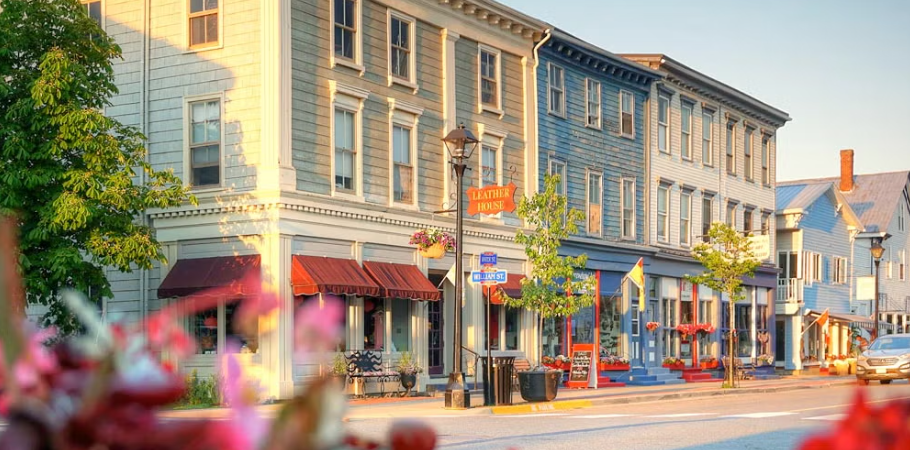
When many newcomers imagine life in Canada, they often picture large cities such as Toronto, Vancouver, Calgary, or Montreal. However, an increasing number of immigrants are choosing to settle in smaller communities across the country.
Driven by provincial immigration programs, labour shortages, and the rising cost of living in major urban centres, small-town Canada is becoming an attractive option for newcomers seeking both opportunity and a different quality of life.
While life in a small Canadian community offers many advantages, it also comes with unique challenges that prospective immigrants should understand before making the move.
Why Small Communities Are Becoming More Important
Canada faces significant labour shortages in many rural and smaller urban regions.
To address these shortages, federal and provincial governments have introduced immigration programs designed to attract newcomers to communities outside major metropolitan areas.
Examples include:
- Rural Community Immigration Pilot (RCIP)
- Provincial Nominee Programs (PNPs)
- Regional employer-driven immigration streams
- Francophone community initiatives
These programs aim to support local economies while helping newcomers establish successful lives in Canada.
For many immigrants, smaller communities provide opportunities that may be harder to find in larger cities.
Opportunity #1: Greater Access to Employment
One of the biggest advantages of smaller communities is labour demand.
Many employers in sectors such as:
- Healthcare
- Skilled trades
- Agriculture
- Manufacturing
- Transportation
- Hospitality
- Construction
struggle to find workers locally.
As a result, newcomers may find:
- Less competition for jobs
- Faster hiring processes
- More employer support
- Better opportunities to gain Canadian work experience
In some cases, employers actively assist workers with immigration pathways and settlement support.
Opportunity #2: Lower Cost of Living
Housing affordability remains one of the strongest reasons newcomers consider smaller communities.
Compared to major cities, many smaller communities offer:
- Lower home prices
- More affordable rental housing
- Reduced commuting costs
- Lower day-to-day living expenses
For families, this can create opportunities to save money and build financial stability more quickly.
While affordability varies by region, many newcomers find their income stretches further outside large urban centres.
Opportunity #3: Faster Community Integration
In smaller communities, it is often easier to become involved in local life.
Newcomers may find:
- Stronger community connections
- Easier access to local organizations
- More direct interaction with neighbours
- Greater visibility within the community
Many immigrants report that people quickly recognize them, learn their names, and actively welcome them into community activities.
This can help reduce feelings of isolation and support faster settlement.
Opportunity #4: Immigration Advantages
Several immigration programs specifically target smaller communities.
Candidates may benefit from:
- Lower eligibility thresholds
- Employer-driven pathways
- Regional nomination opportunities
- Additional points or priority processing
For some applicants, relocating to a smaller community can significantly improve their chances of obtaining permanent residence.
This has become increasingly important as competition grows in federal immigration programs.
Opportunity #5: Quality of Life
Many newcomers appreciate the lifestyle offered by smaller communities.
Common benefits include:
- Less traffic
- Shorter commutes
- Access to nature
- Lower stress levels
- Stronger sense of safety
Families with children often value:
- Smaller schools
- Community-oriented environments
- Outdoor recreational opportunities
For some immigrants, these lifestyle advantages become one of the most rewarding aspects of settling outside major cities.
Challenge #1: Limited Job Diversity
While labour demand can be strong, employment options may be less diverse than in larger cities.
Certain professions may have:
- Fewer employers
- Limited advancement opportunities
- Smaller professional networks
If a job loss occurs, finding alternative employment may be more difficult without relocating.
Prospective newcomers should research local labour markets carefully before committing to a particular community.
Challenge #2: Smaller Cultural Communities
One adjustment many newcomers face is the absence of large ethnic communities.
In major cities, immigrants often have access to:
- Cultural organizations
- Places of worship
- Community groups
- Specialized grocery stores
- Native-language services
Smaller communities may offer fewer of these resources.
While some newcomers enjoy deeper integration into Canadian society, others may experience homesickness or cultural isolation.
Challenge #3: Transportation Limitations
Public transportation in many smaller communities is limited or unavailable.
As a result, owning a vehicle often becomes necessary.
Newcomers may need to budget for:
- Vehicle purchases
- Insurance
- Fuel
- Maintenance
For individuals accustomed to extensive public transit systems, this can require a significant adjustment.
Challenge #4: Access to Services
Healthcare, education, and other public services are available throughout Canada, but smaller communities may have fewer options.
Residents may need to travel longer distances for:
- Specialized medical care
- Certain educational programs
- Government services
- Professional services
Understanding local service availability before relocating can help avoid surprises.
Challenge #5: Harsh Weather and Isolation
Many smaller communities are located in regions with:
- Long winters
- Heavy snowfall
- Remote geography
For newcomers arriving from warmer climates, adapting to Canadian weather can be challenging.
The combination of winter conditions and geographic isolation may also contribute to feelings of loneliness during the first year.
Building social connections early becomes especially important.
Who Thrives in Small Communities?
Not every newcomer has the same priorities.
Individuals who often thrive in smaller communities include those who:
- Value affordability
- Enjoy outdoor lifestyles
- Work in high-demand occupations
- Prefer quieter environments
- Seek stronger community connections
- Are open to cultural adaptation
Those who prioritize extensive public transit, large cultural communities, or highly specialized careers may prefer larger urban centres.
Tips for Success
Before moving to a smaller Canadian community, newcomers should:
- Research local employment opportunities
- Understand housing availability
- Learn about transportation options
- Connect with settlement organizations
- Explore community activities and events
- Develop realistic expectations about lifestyle differences
Preparation can make the transition significantly smoother.